
Social media can be a really useful tool for a small business. It can help you stay visible, keep in touch with existing customers, show people what you do and give potential customers a reason to choose you.
But it can also become a bit of a chore.
There’s a lot of advice out there about what you should be posting, how often you should be posting and what you need to do to ‘get noticed’. Sometimes, I think we make social media far more complicated than it needs to be.
After 17 years of working with small businesses on their marketing, I’ve seen the same mistakes come up time and again. And most of them have very little to do with algorithms or the latest social media trend.
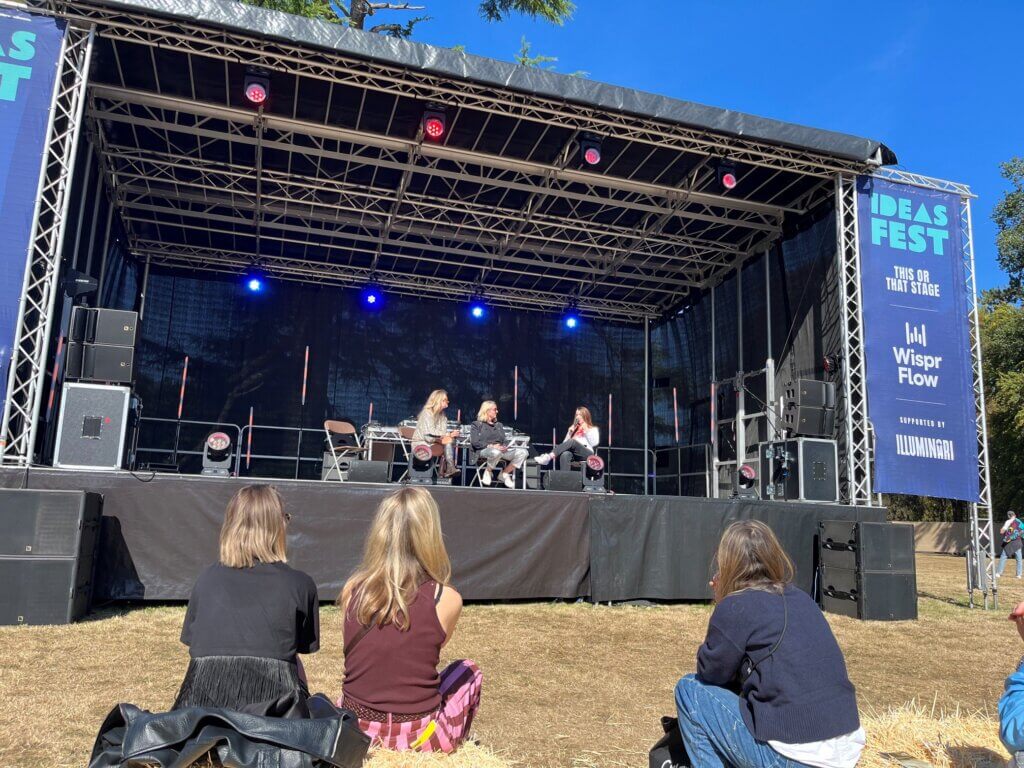
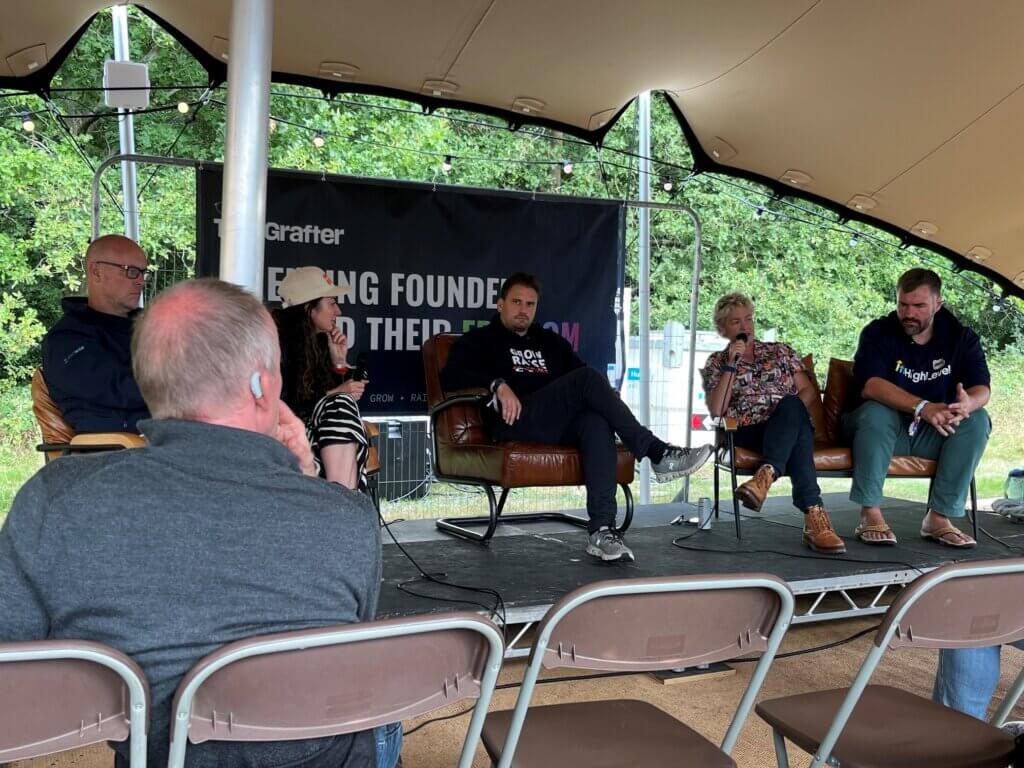
They’re really about common sense. I was reminded of this at Ideas Fest, which I attended at Champneys in Tring on 9 and 10 September. I listened to a number of talks across the two days, but two in particular got me thinking about this subject: Marketing When You’ve Got £0 and Make One Thing Go Everywhere.
Both touched on something I think small businesses sometimes forget: you don’t necessarily need more money, more platforms or more content. You need to make better use of what you’ve already got.


Know who you’re talking to
One of the biggest mistakes is feeling that your business needs to be on every social media platform. It doesn’t.
Start with your audience. Who are you trying to reach? What matters to them? What questions do they ask? What problems do they have?
Once you know that, think about where they actually spend their time. There’s little point putting lots of effort into Instagram if your customers are primarily on Facebook, for example.
One of the key takeaways from Marketing When You’ve Got £0 was the importance of identifying your audience in advance and posting where they hang out.
What to do instead: Pick one channel and do it well rather than spreading yourself too thinly across several.
Don’t post just because you think you should
‘We haven’t posted for a week. We need something to go out.’
Sound familiar?
There’s nothing wrong with having a regular presence, but posting for the sake of posting can quickly lead to content that doesn’t really say anything.
You don’t need to fill your feed with endless ‘Happy Monday!’ posts or find something to say every day just to keep an account active.
Think about what your audience actually wants to hear about. Useful information, answers to common questions, advice, inspiration and things that help them understand your business are all more likely to give people a reason to stop and read.
And if you’ve got nothing useful to say today, it’s OK not to post.
And remember, social media is only one part of your marketing. Your website, email marketing, PR, networking, referrals and word of mouth all have a role to play too.
Don’t make every post a sales pitch
Of course you want people to know what you sell. But social media shouldn’t read like a constant stream of adverts.
If every post is ‘Buy this’, ‘Book now’, ‘We have availability’ or ‘Here’s our latest product’, people are likely to switch off.
Your sales and promotional posts have a place, but they should form the minority of what you share. The majority should give people something useful, educational or inspirational.
What to do instead: Mix things up. Share useful information, answer questions, show what goes on behind the scenes, introduce the people behind the business and demonstrate your knowledge and experience.
Give people a reason to follow you even when they aren’t ready to buy.
Make the content you’ve already got work harder
We can fall into the trap of thinking that every social media post needs to be a completely new idea. It doesn’t.
Look back at your previous posts. What resonated? Which subjects got people talking, clicking, commenting or sharing?
If something worked, revisit it. You could approach the subject from a different angle, update it or turn it into a different type of post.
The same applies to your wider marketing. If you’ve written a blog, could you turn some of the points into several social media posts? Could a customer question become a blog, then a social post, then part of your newsletter?
That’s the thinking behind Make One Thing Go Everywhere: don’t just create something once and move on. Give good content more than one opportunity to do its job.
What to do instead: Before you start creating something completely new, look at what you’ve already got. You may have far more useful content than you realise.
So, what should small businesses actually do?
Sadly, there isn’t a secret formula. If only there were, I’d be a very rich woman!
But the key takeaways from this article should help:
- Know your audience. Understand who you’re trying to reach and what matters to them.
- Post where they hang out. You don’t need to be everywhere.
- Concentrate on one channel. Doing one well is better than doing five badly.
- Give people something worth seeing. Be useful, informative, educational or inspiring.
- Keep sales posts in the minority. Social media should be more than a stream of adverts.
- Look back at what’s worked. Revisit and rework content that has resonated.
- Make your content work harder. Don’t assume everything needs to be created from scratch.
- Don’t forget the rest of your marketing. Social media is one part of the picture, not the whole picture.
If your social media helps the right people find you, understand what you do and remember you when they need your services, it’s doing its job.
And if you’re struggling to know what to post, where to focus or how social media fits into the rest of your marketing, that’s something I can help with. Get in touch with Alison Page Marketing to talk through what might work for your business.

Latest posts by Alison Page (see all)
- Taking Stock: What Can Your Marketing Teach You Before Next Year? – October 2, 2026
- Social Media Doesn’t Have to Be Complicated – September 14, 2026
- Why Local Marketing Still Matters (even in a Digital-First World) – August 10, 2026